Where do research peptides come from? Most start as bulk powder synthesised outside the United States, and every public record we could check puts China first. FDA's own GLP-1 import alert says compounding ingredients came from China, India and Europe. A US address on the label tells you where a vial was packed, not where its contents were made.
Here is the argument of this piece. The debate about research peptides usually stops at the label: "for research use only", "made in the USA", "99% purity, third-party tested". Those words describe the last step of a long chain. The first step, synthesis of the peptide itself, happens in a factory the buyer never sees, and the regulator usually has not seen it either. FDA has built a real border check for one class of peptide, the GLP-1 drugs, and the numbers it published show why it bothered. For the rest of the research peptide catalogue there is no equivalent list, and the clearest picture of the supply chain comes from what customs officers find inside cartons that were declared as something else.
Nothing below is medical or legal advice, and this page names no vendor or manufacturer. It reports what FDA, US Customs and Border Protection and published import data say, with the primary document linked for each claim. For the legal status of each compound, the Ozemback peptide status tracker keeps a dated row per compound. BPC-157 and MOTS-c each have a reference page with their FDA history, and the earlier pieces on whether it is illegal to sell research peptides and on what the research-use-only label means cover the enforcement side in full.
Are research peptides made in China?
The public records point that way, and FDA says so in writing. Import Alert 66-80, the agency's border rule for GLP-1 ingredients, states that during the shortages of approved GLP-1 drugs the active ingredients used for compounding were supplied by manufacturers "located around the world, including China, India, and Europe." The alert's Green List, the roster of foreign sites whose GLP-1 ingredients may enter without automatic detention, had 21 entries in the revision published on 9 October 2026, with company names redacted. Twelve of those 21 entries are in China, three are in India, and Belgium, Canada, Denmark, Ireland, Italy and Portugal have one each. Those are the sites FDA cleared. The research market, by definition, buys from outside that list.
| Country | Green List entries, Import Alert 66-80 (9 Oct 2026) |
|---|---|
| China | 12 |
| India | 3 |
| Belgium, Canada, Denmark, Ireland, Italy, Portugal | 1 each |
| Total | 21 (names redacted by FDA) |
Does the FDA check imported peptides?
For GLP-1 ingredients, yes, and the checks found real problems. According to Import Alert 66-80, FDA ran onsite inspections and remote records requests at 48 GLP-1 ingredient sites in the US supply chain and found 21% of them noncompliant with good manufacturing practice, either because their records showed violations or because they did not answer in time. The alert also describes a pattern of sites that register with FDA as GLP-1 manufacturers, offer ingredients for import, refuse records requests and then deregister, all within a short period. FDA announced the Green List on 5 September 2025. Since then, GLP-1 ingredients from any site not on it may be detained at the border without physical examination, on the presumption that they are adulterated under section 501 of the Food, Drug, and Cosmetic Act.
The limit of that system is its scope. Import Alert 66-80 covers GLP-1 receptor agonist ingredients, a list that in the October 2026 revision runs to semaglutide, tirzepatide, liraglutide, exenatide, dulaglutide, orforglipron and catch-all codes for related peptides and hormones. BPC-157, TB-500, MOTS-c, epitalon and most of the research catalogue have no Green List of their own. They enter, or fail to enter, under the ordinary import rules for unapproved drugs, which depend on the shipment being declared honestly in the first place. A registered facility is not the same as an inspected one: FDA registration means the agency knows a site exists, not that anyone has walked its production floor.
How do research peptides get into the US?
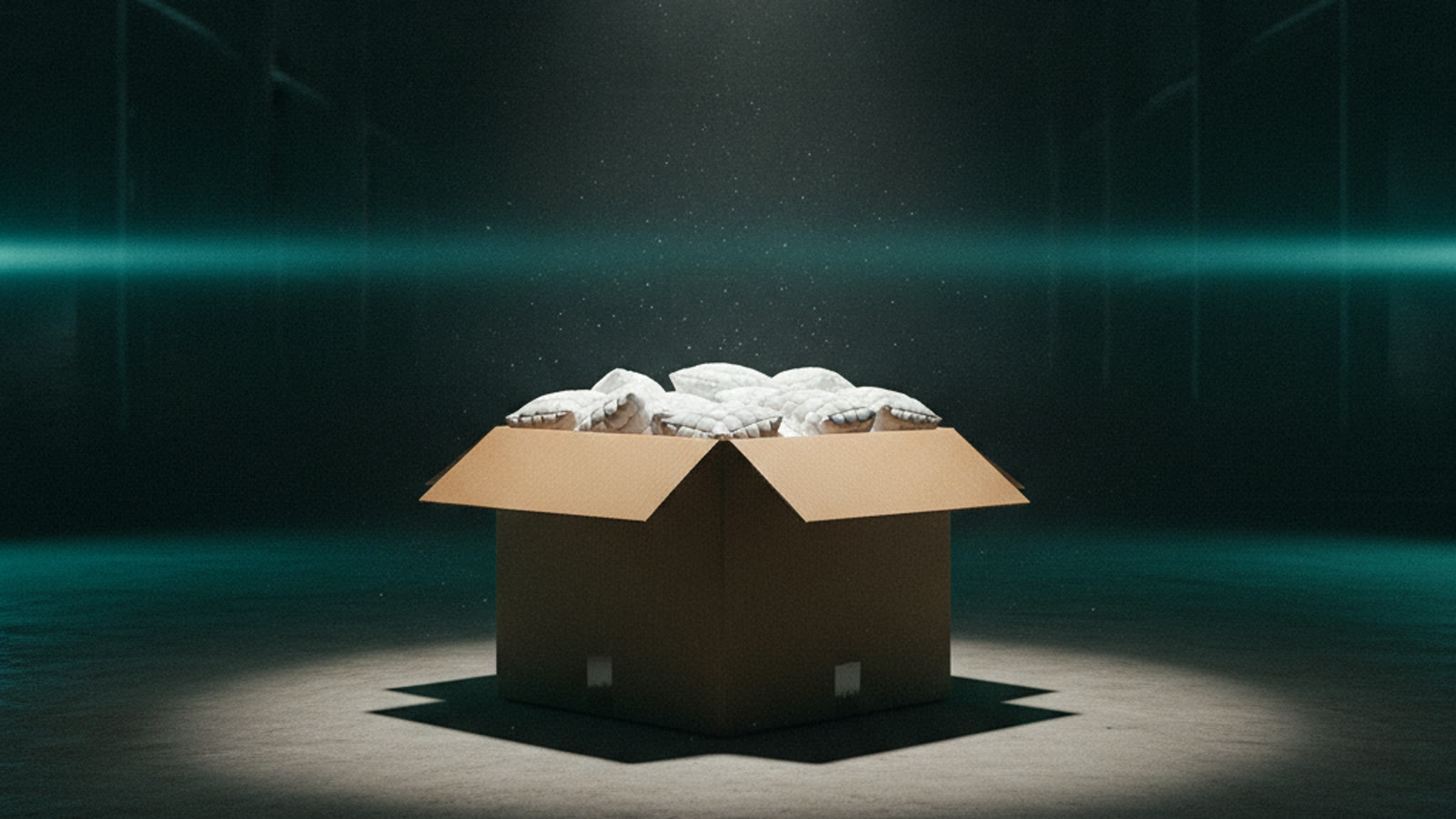
Two routes show up in the public record: declared freight and parcels hidden inside other freight. On 31 March 2026 CBP's Port of Cincinnati said that from December 2025 to 25 March 2026 it had seized peptide shipments sent by a shipper in China and declared as something other than what they contained. Officers identified more than 300 master cartons, each concealing about 15 prelabelled individual parcels already addressed to their final US recipients, for roughly 5,000 parcels in total. CBP listed retatrutide, semaglutide and tirzepatide among the contents, along with MOTS-c, TB10, semax and cagrilintide. The prelabelling is the detail that matters: the cartons were built to be opened in the US and the parcels mailed onward as domestic post.
That method makes more sense after a change in trade rules. Under Executive Order 14324, CBP stopped applying the duty-free de minimis treatment for low-value shipments to imports from every country on 29 August 2025, according to its Federal Register notice of 2 September 2025. Small parcels from abroad lost the easy path they once had, and a carton of parcels that look domestic once they are inside the country is one way around that. Declared freight tells a second story. The Partnership for Safe Medicines, an advocacy group, analysed US import records for peptides in the first quarter of 2026 and counted 127 shipments, of which it classed 50 as coming from manufacturers outside FDA oversight. Only 15 were refused at the border.
Where a peptide was made is a fact about geography. Whether anyone has looked inside the plant is a fact about safety, and for most research peptides nobody has.
What does the 2026 import data show about retatrutide and BPC-157?
The same Partnership for Safe Medicines analysis is the most detailed public look at declared peptide freight, and its findings should be read as the work of an advocacy group rather than an official count. It reported 11 shipments of retatrutide, an Eli Lilly drug still in clinical trials, entering from China in the first quarter of 2026, some declared at several kilograms, with at least eight released into the US. It also counted 12 tirzepatide and three semaglutide shipments, all from registered manufacturers in China and all released. For BPC-157, the group found that about half of the manufacturers shipping it were registered with FDA, and it noted that refusal rates were higher for the peptides on the July 2026 advisory committee agenda. The group's own caveat is the important one: the data capture only declared imports, not smuggled ones.
| Measure, Q1 2026 (Partnership for Safe Medicines) | Count |
|---|---|
| Declared peptide shipments tracked | 127 |
| From manufacturers the group classed as outside FDA oversight | 50 |
| Refused at the border | 15 |
| Retatrutide shipments from China (at least 8 released) | 11 |
Does "made in the USA" on a peptide vial mean anything?
It means something narrower than buyers assume. A research peptide reaches a buyer after at least three steps: synthesis of the peptide as bulk powder, filling into vials, and labelling and sale. A US address can be true of the last step while saying nothing about the first. Neither FDA's import alert nor CBP's release names domestic synthesis as the source of what they describe; both describe powder made abroad and shipped in, and the declared import data include shipments of several kilograms. Our reading, which is an inference from those documents rather than a finding in them, is that a domestic label on a research peptide is mostly a statement about who packed and sold it. A certificate of analysis tests one batch for identity and purity. It does not tell you whether the plant that made the powder has ever been inspected.
Isn't China simply where most drug ingredients are made?
The strongest counterargument is that origin is a red herring, and on that point it is right. FDA's own Green List clears twelve Chinese entries to ship GLP-1 ingredients, and much of the approved US drug supply depends on ingredients made in China and India. A peptide synthesised in an inspected plant in China is not less safe than one made in New Jersey. What separates the two supply chains is not the country but the inspection. The approved channel runs through sites FDA has evaluated and can remove from the list. The research channel runs through sites that, by the logic of the market, sell to buyers who never ask for an inspection record, and through cartons declared as something else so that no one at the border asks either.
So where do research peptides come from?
Mostly from bulk powder synthesised abroad, with China first in every public record we found: FDA's description of the GLP-1 compounding supply, twelve of 21 cleared Green List sites, the Cincinnati seizure and the declared import data for the first quarter of 2026. That geography is not the problem. The problem is that, outside the GLP-1 drugs, no public list tells a buyer whether the plant behind a vial was ever inspected, and FDA's own review found one in five evaluated GLP-1 sites noncompliant even inside the regulated channel. Our view is that the research-use-only label, the domestic return address and the purity certificate all answer questions about the last step of the chain, and leave the first step unchecked. We will update the tracker when FDA extends the Green List model beyond GLP-1.
Sources
- US Food and Drug Administration, Import Alert 66-80, Detention Without Physical Examination of Glucagon-Like Peptide-1 (GLP-1) Receptor Agonist Bulk Drug Substances, revision published 9 October 2026. www.accessdata.fda.gov
- US Food and Drug Administration, FDA launches green list to protect Americans from illegal imported GLP-1 drug ingredients, press announcement, 5 September 2025. www.fda.gov
- US Customs and Border Protection, Cincinnati CBP foils scheme to smuggle over 5,000 unapproved peptides into the U.S., local media release, 31 March 2026. www.cbp.gov
- Partnership for Safe Medicines, Fishy Peptide Freight: What Q1 2026 import data reveals, June 2026. www.safemedicines.org
- US Customs and Border Protection, Notice of Implementation of the President's Executive Order 14324, Suspending Duty-Free De Minimis Treatment for All Countries, Federal Register document 2025-16802, 2 September 2025. www.federalregister.gov
- 21 U.S.C. 351, Adulterated drugs and devices (section 501 of the FD&C Act), Cornell Legal Information Institute. www.law.cornell.edu